3D Design
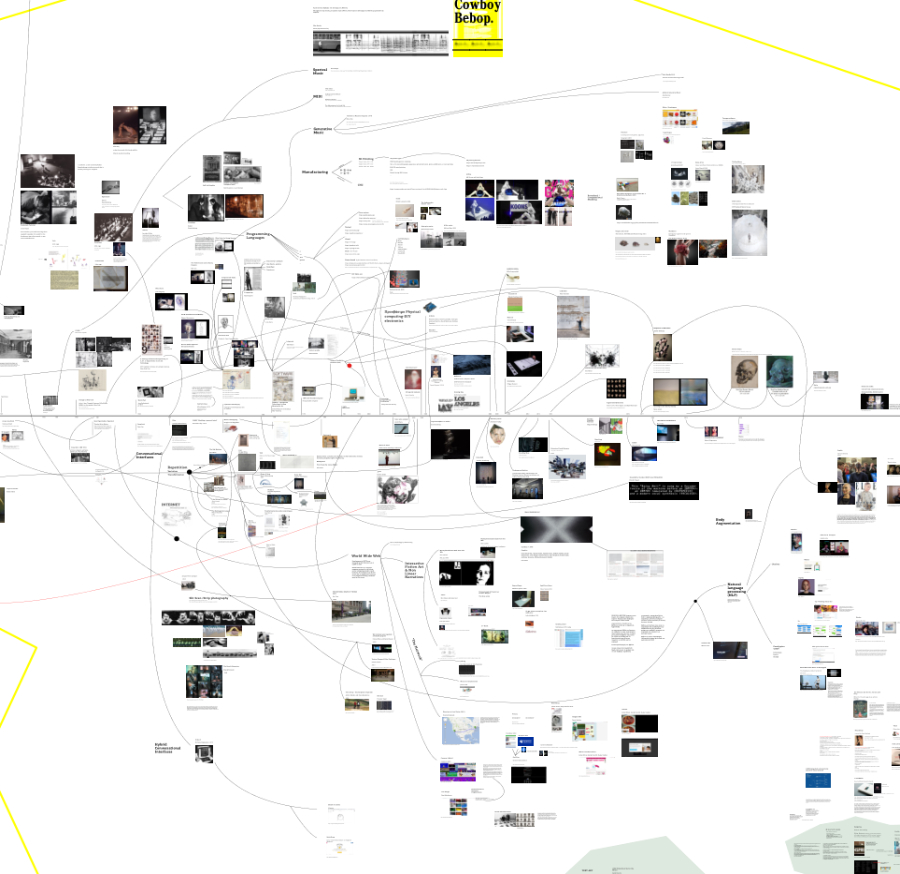
The algorithms as extended procedures of artistic practice will be the main tool of the course. The aim of the course is to create stimuli and improve students’ access to a field of thought, practice, and experimentation where art and algorithms coexist.
In the first semester, the course structure will revolve around algorithmic themes such as repetition, recursion, emergence, parameterization, generativity, artificial intelligence, simulation, transcoding, and transmediality, mapping works of artists who have worked/are working in these expanded thematic fields of artistic practice.
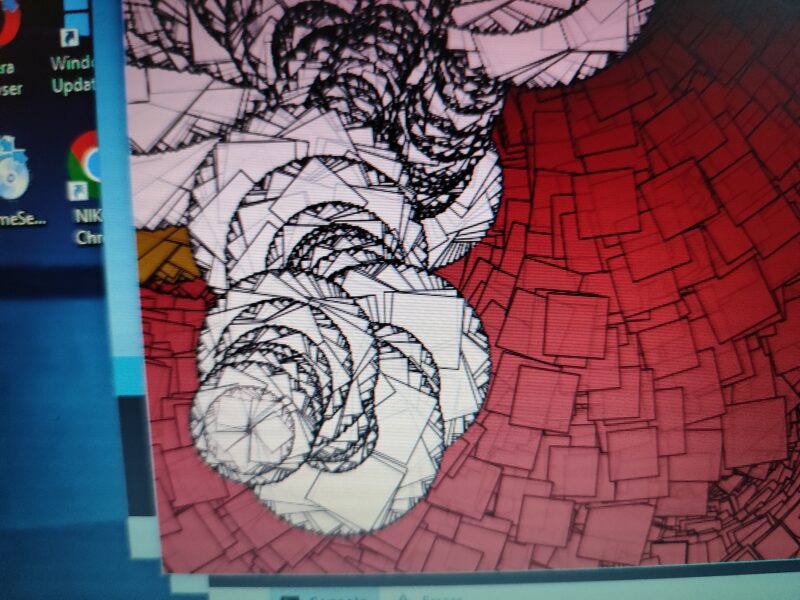
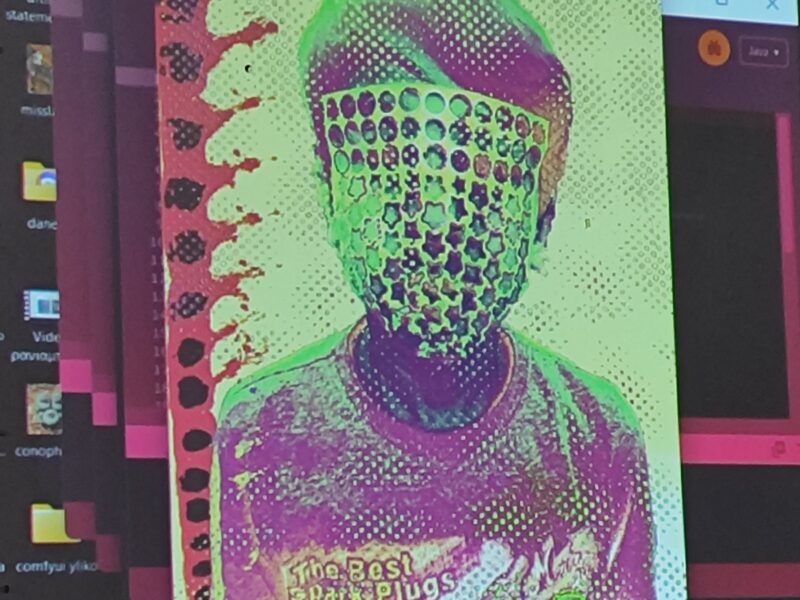
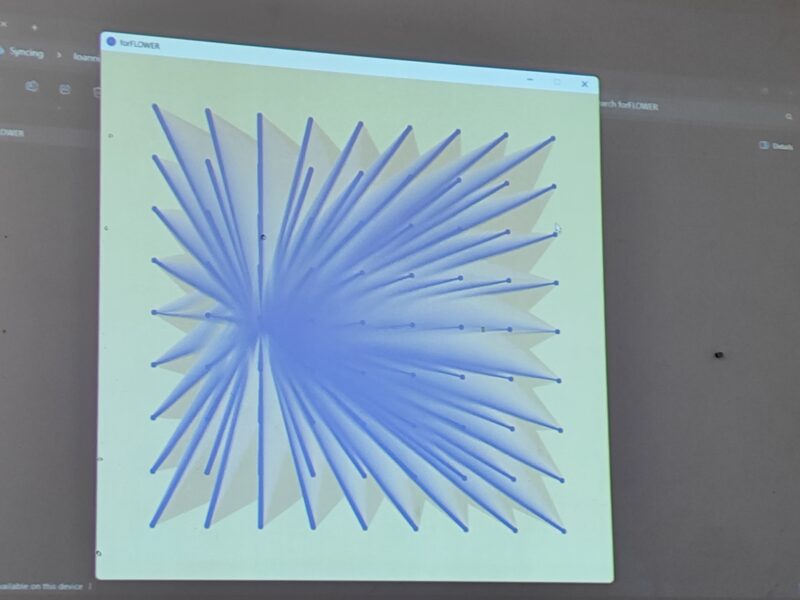
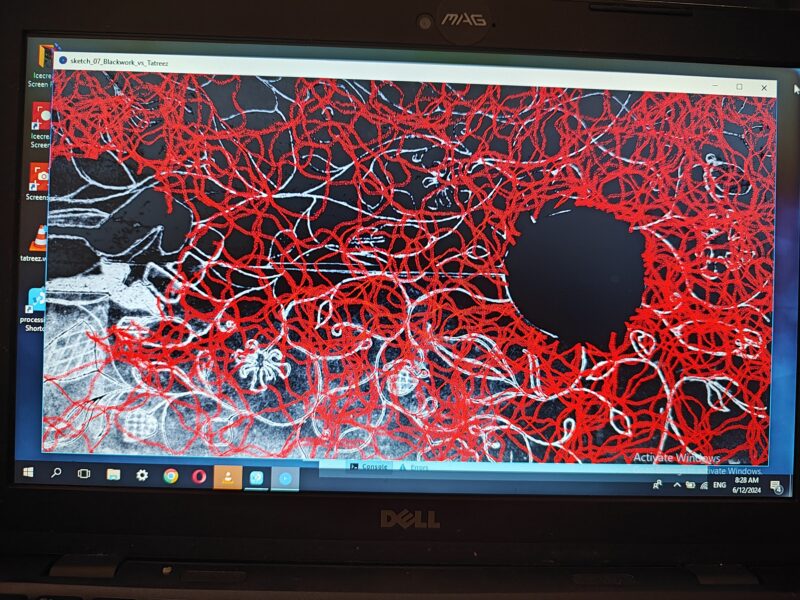
The second semester of the course focuses on the introduction to the Processing programming language. Students will be introduced to the basic syntactic structures of Processing through examples (demos) and workshops. They will engage in programming exercises that gradually build on each other, culminating in the creation of a larger-scale project.
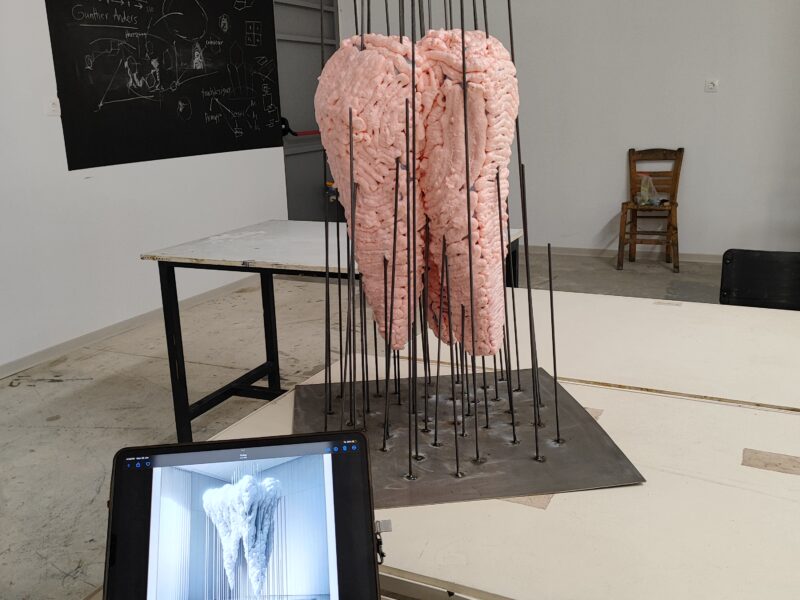
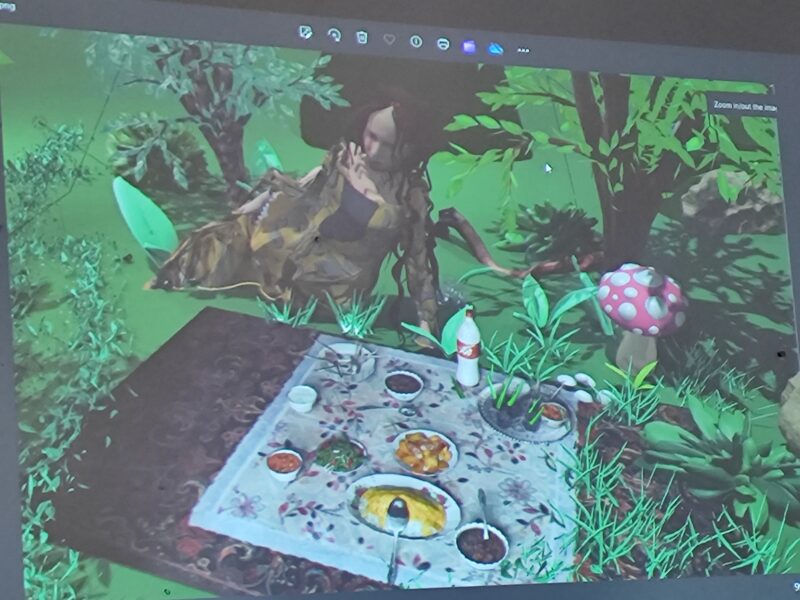
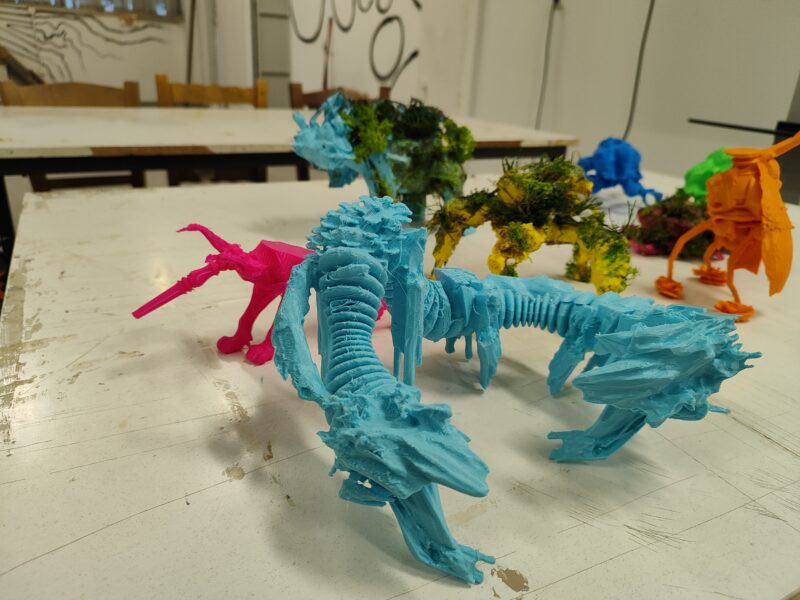
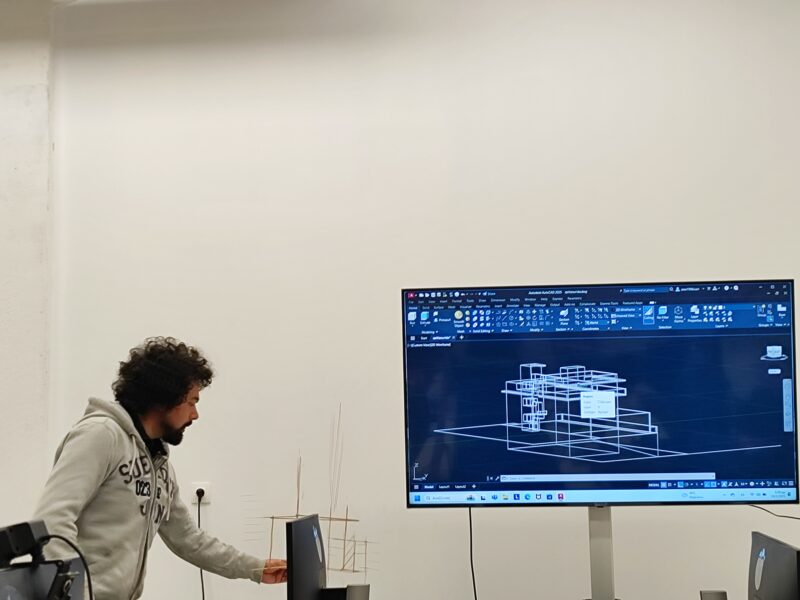
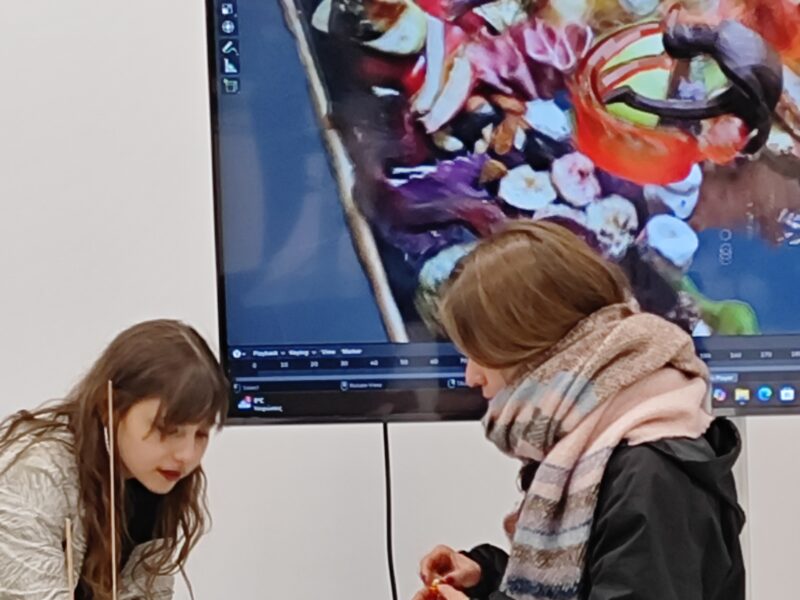
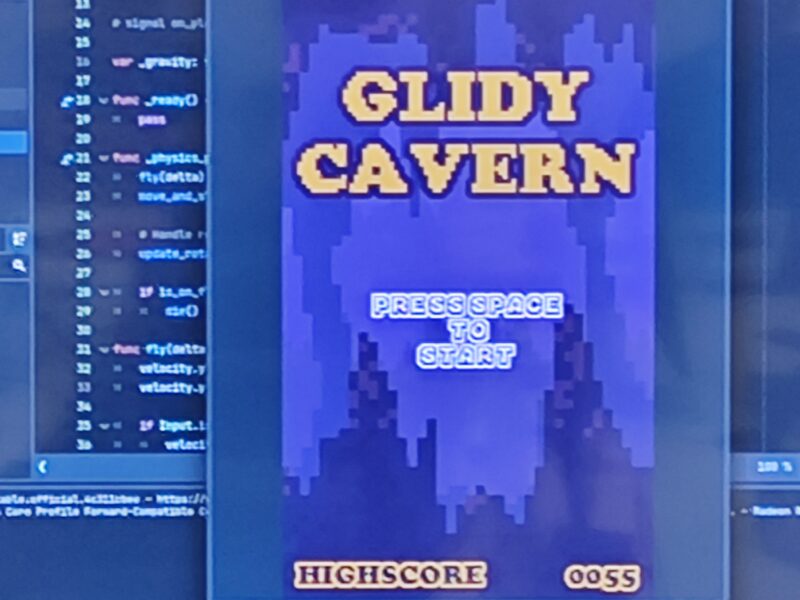
Throughout the year, there will be workshops dedicated to learning the open-source software Blender. In addition, the lab is equipped with 3D printers providing students with hands-on experience in 3D printing fabrication techniques.
By the end of the course, students will have gained a comprehensive understanding of algorithmic practices in art, developed programming skills using Processing, and acquired practical knowledge of software tools and construction techniques within a creative framework.
Books:
• Shiffman, D. (2012). The Nature of Code: Simulating Natural Systems with Processing. Self-published. https://natureofcode.com
• Reas, C. & Fry, B. (2014). Processing: A Programming Handbook for Visual Designers and Artists (2nd ed.). MIT Press.
• Bohnacker, H., Groß, B., Laub, J. & Lazzeroni, C. (2018). Generative Design: Visualize, Program, and Create with JavaScript in p5.js (2nd ed.). Princeton Architectural Press.
• Paul, C. (2023). Digital Art (3rd ed.). Thames & Hudson.
• Flanagan, M. (2009). Critical Play: Radical Game Design. MIT Press.
• Galanter, P. (2003). “What is Generative Art? Complexity Theory as a Context for Art Theory.” Proceedings of the International Conference on Generative Art.
• Manovich, L. (2001). The Language of New Media. MIT Press.
• Berry, D. M. & Dieter, M. (eds.) (2015). Postdigital Aesthetics: Art, Computation and Design. Palgrave Macmillan.
• Taylor, G. D. (2014). When the Machine Made Art: The Troubled History of Computer Art. Bloomsbury Academic.
• Levin, G. & Brain, T. (2021). Code as Creative Medium: A Handbook for Computational Art and Design. MIT Press.
• Soon, W. & Cox, G. (2021). Aesthetic Programming: A Handbook of Software Studies. Open Humanities Press.
FANOURIS MORAITIS (NOURAKO) / Assistant Professor
Nourako lives and works in Athens. His work focuses on practices of post-digital plasticity and the study of algorithms as expanded artistic processes. He holds a degree in Electronic Engineering & Computer Engineering from the Technical University of Crete and obtained an MSc. in Art and Technology from Chalmers University of Technology in Sweden with a scholarship from the A. S. Onassis Foundation. He worked at the National Institute for Research in Computer Science and Automation (INRIA) in France and studied at the Art Students League of New York. He is a graduate of the Athens School of Fine Arts, Sculpture Studio A.
Email: fmoraitis@asfa.gr

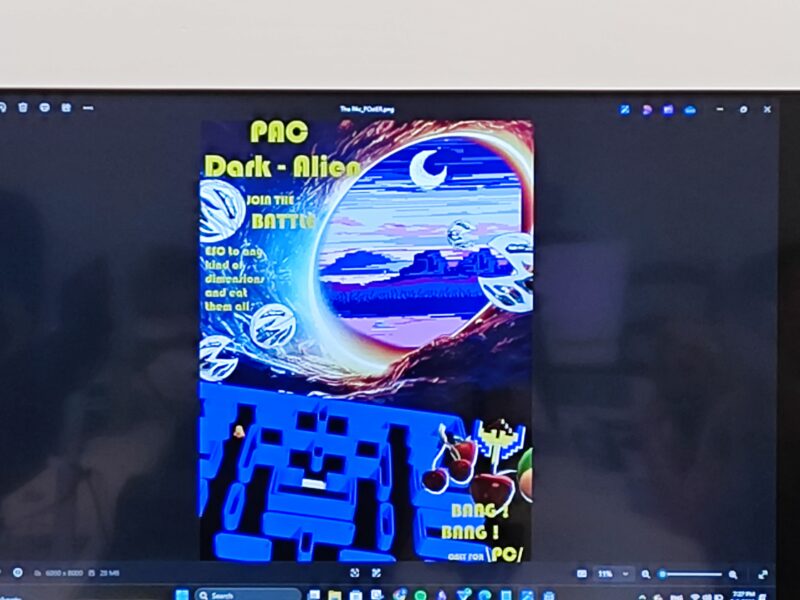
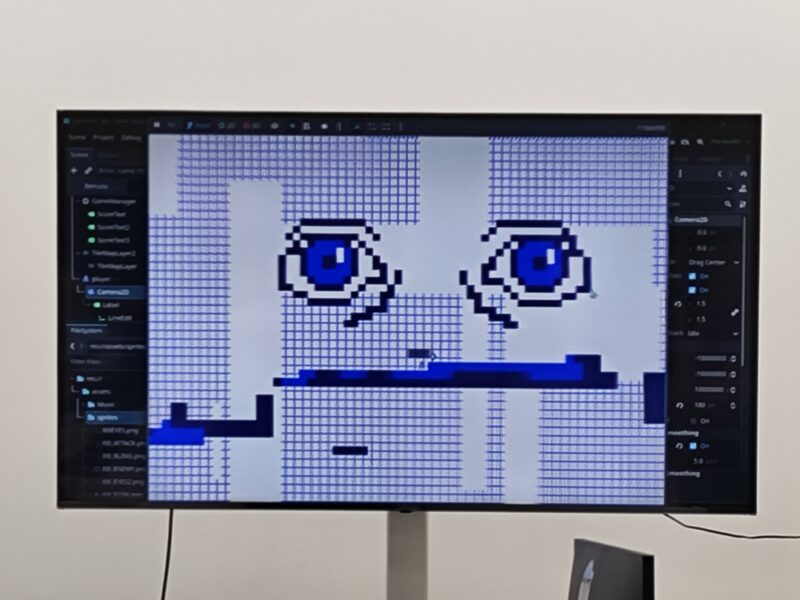
Student Works